
Updated October 10, 2026
If your messy house feels overwhelming, start smaller than you think you need to. One drawer, one countertop, or one basket of laundry is enough for today. You do not have to empty every room or buy matching bins to make progress.
At Organized Marie, we design home organizing systems around how people actually live. A beautiful space should also be easy to use: you can find what you need, put it away without a struggle, and keep your everyday routines moving.
These 10 tips will help you clear the clutter, create useful homes for your belongings, and build a routine you can repeat.
Affiliate disclosure: This post contains affiliate links. If you purchase through it, we may earn a commission at no additional cost to you.
Where to Start When Your House Is Messy
Choose the spot that causes the most frustration in your day. That might be the kitchen counter where you prepare meals, the entryway where everyone drops their bags, or the drawer you open every morning.
Give yourself a clear finish line: “I am organizing this drawer” is more manageable than “I am organizing the kitchen.” Gather a trash bag, a donation bag, and a basket for items that belong elsewhere. Use containers you already have while you sort.
10 Tips to Organize a Messy House
1. Start With One Small Area
Set a timer for 10 to 15 minutes and focus on one surface or small storage area. If you have more time and energy when the timer ends, keep going. If you need to stop, finish putting away the items you have already taken out.
Avoid emptying an entire closet when you only have time for one shelf. Small, finished projects are easier to build on than piles waiting for another day.
2. Remove the Obvious Clutter First
Start with empty packaging, recycling, and items you already know you do not want. Move dishes to the kitchen and laundry to its designated basket. Keep a separate container for items that belong in another room so you can return them in one trip.
Save sentimental belongings and difficult decisions for later. You can make useful progress without starting with the hardest category.
3. Group Like Items Before Making Decisions
Within the area you are organizing, gather similar items together. Put the pens with the pens, food storage lids with the lids, and hair products with the hair products.
Seeing a category together helps you understand what you own and how much storage it needs. It also makes duplicates easier to spot. Keep the amount that supports your household; you may need several spatulas if you cook often, but not every utensil in the drawer.
4. Decide What Deserves Space in Your Home
Ask yourself: Do I use this? Do I enjoy it? Does it support my life now? Would I choose it again today?
Not using something in the past year does not automatically mean it should go. Seasonal supplies, special-occasion pieces, and meaningful keepsakes may still deserve space. Give those items a defined home instead of letting them take over your everyday storage.
For sentimental belongings, choose a manageable keepsake box or display a few favorites. A photo can preserve a memory when you are ready to release the object, but you do not have to make every emotional decision today.
5. Make Your Kitchen Work for Your Routine
Keep everyday dishes near where you unload the dishwasher, prep tools near your work surface, and coffee supplies together. Leave frequently used appliances on the counter if that makes your routine easier. Store occasional-use items elsewhere when space allows.
Start with one drawer. Remove its contents, group the categories, wipe it out, and return what belongs there. Measure the inside width, depth, and usable height before buying organizers.
Everything Organizer Deep Drawer Organizers can separate categories in a deeper drawer. These are individual bins, rather than expandable dividers, so check the dimensions against your drawer and the items you want to store.

6. Give Living Room and Entryway Items a Home
Create an obvious place for the things that land here every day: remotes, blankets, current reading material, shoes, keys, and bags. A basket or tray you already own may be all you need.
Keep the storage close to where you use or drop the item. If everyone leaves shoes beside the door, an accessible shoe basket there is easier to maintain than a system across the house. Give each family member a hook or designated spot when possible.
A Medium Montauk Rectangular Bin can give small everyday items a defined home on an entryway or living room shelf. Check the shelf dimensions before choosing a size, and keep each basket focused on one category.
7. Simplify Your Bedroom and Closet
Clear your nightstand enough to hold what you use at bedtime. Give laundry a convenient landing spot, and separate clean clothes from items waiting to be washed.
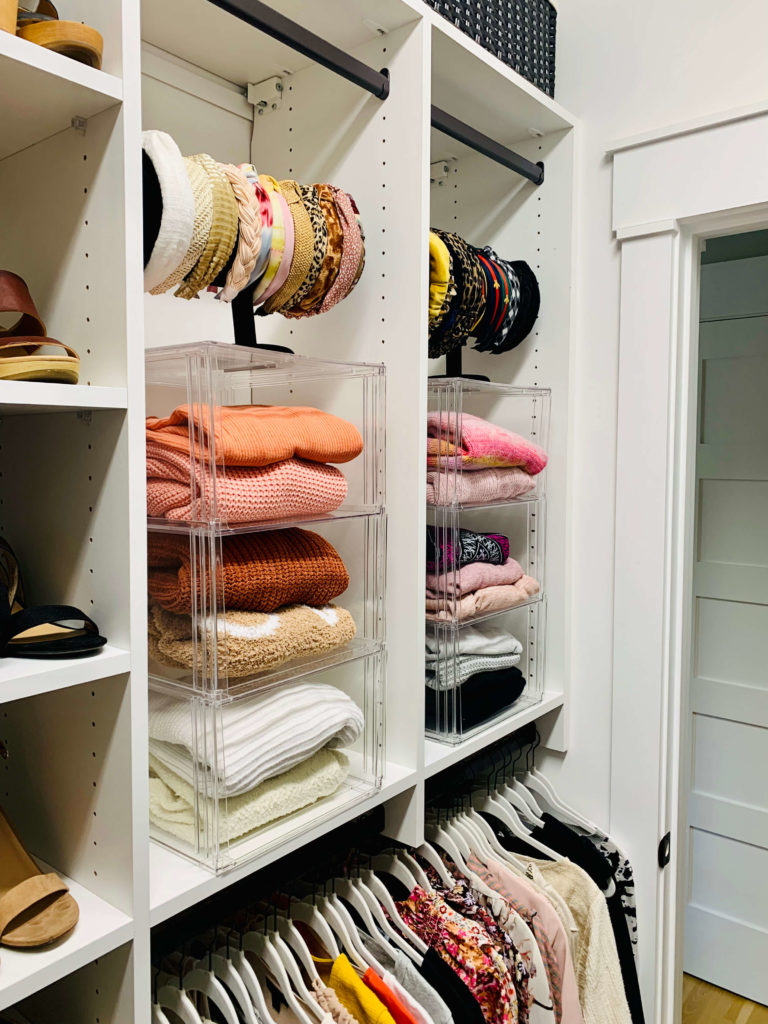
In the closet, start with one category, such as shoes or workout clothes. Keep the pieces you reach for most accessible, and give seasonal or occasional-use clothing a separate home. Under-bed storage can help if it is easy to access and the containers fit.
The Iris Underbed Drawer is one option for linens or seasonal clothing. Measure the clearance beneath your bed and leave enough room to pull the drawer open before buying.
For more ideas, explore our tips for organizing clothes. Choose the suggestions that fit your wardrobe and routine.
8. Separate Daily Bathroom Essentials From Backstock
Keep the products you use each day together in an easy-to-reach drawer, tray, or basket. Store unopened extras separately so they do not crowd your daily routine.
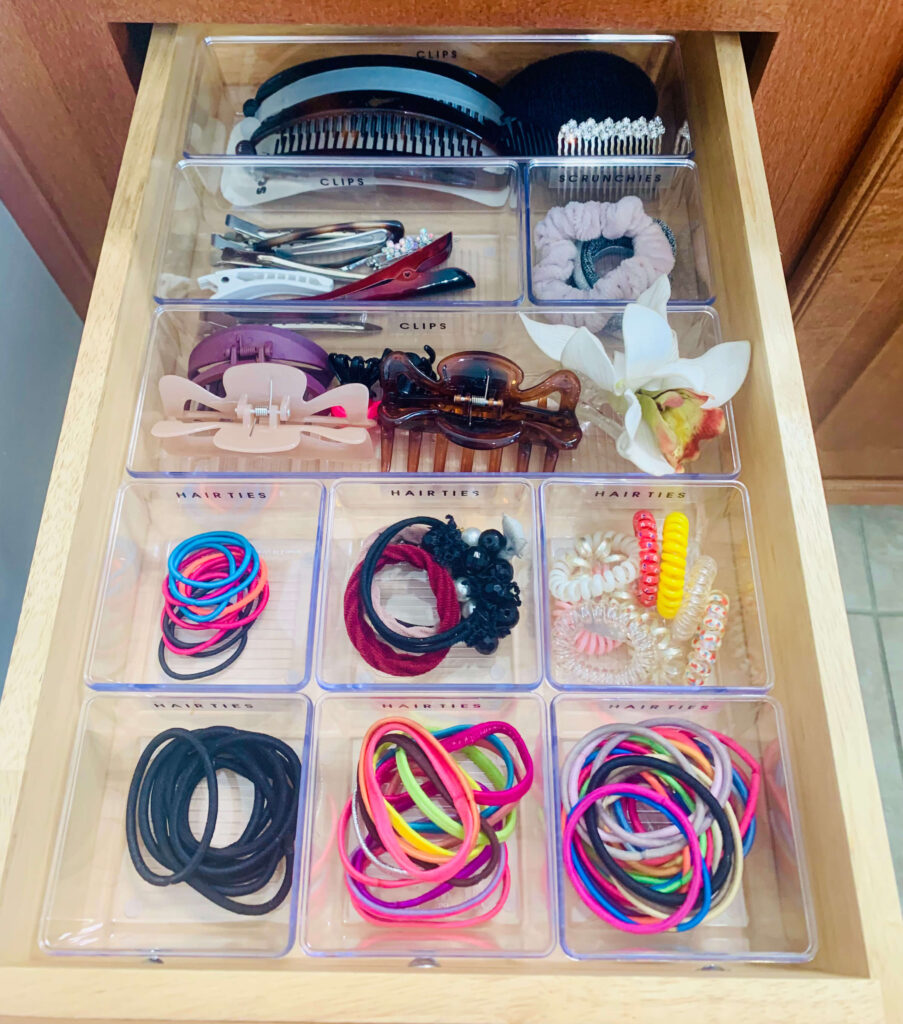
Review product dates and condition, following the manufacturer’s storage and disposal instructions. Let go of toiletries you no longer use. Group remaining items by purpose, such as hair care, skincare, and dental care, and measure before adding bins.
For smaller daily essentials, the Everything Organizer Drawer Organizers Set of 4 can separate categories inside a vanity drawer. Plan the layout around the products you use most, and confirm the organizers fit your drawer.
9. Finish the Donation and Return Process
A donation bag still sitting in the hallway is one more thing to work around. Choose a drop-off date and check what the donation organization currently accepts before you go.
Give returns a designated spot with the receipt and deadline. If you plan to sell an item, set a realistic listing deadline and decide what you will do if it does not sell. Finish by returning the “belongs elsewhere” items to their homes.
10. Build a Short Daily Reset
Choose a time that already fits your day, such as after dinner or before bed. Spend 10 minutes putting everyday items back, clearing one important surface, and preparing what you need for tomorrow.
Make it a shared routine. Children and adults can each take responsibility for a simple task, such as putting shoes away or returning toys to their labeled bins. Keep labels specific and storage easy to reach.
For printed labels, the P-Touch Cube Plus Label Maker is an option for labeling bins and baskets. Handwritten labels work too; the important part is making each category clear to everyone using the system.
If the same pile keeps returning, look at the system. Does the item have a home? Is the container too full? Does putting it away take too many steps? Adjust the storage to make the next reset easier.
How to Keep Clutter From Building Up Again
Before bringing something new home, consider where it will go. Check your existing supplies before buying more, and use the size of a drawer, shelf, or bin as a practical limit for a category.
Your home does not need to look photo-ready every day. The goal is a space that supports your family and is easier to put back in order after you use it.
Need Help Getting Your Home Organized?
If you keep starting projects and feeling overwhelmed, you do not have to manage the process alone. Organized Marie provides full-service home organizing in Charlotte, NC, with customized designs, product sourcing, and hands-on implementation.
From closets and pantries to garages and whole-home projects, we create beautiful systems that work for your everyday life. Get in touch with Organized Marie to tell us about your space.




+ show Comments
- Hide Comments
add a comment