
Last updated: October 13, 2026
The final step of any organizing project is adding labels—they’re what bring everything together.
By this point, it’s tempting to call it done—but this is where labeling matters most. Labels create clarity, reinforce the system, and make it easier for everyone to maintain the space.
Skipping this step often leads to things slowly drifting out of place. Taking the extra time to label ensures the system continues to work long after the project is finished.

Affiliate disclosure: Some links below are affiliate links. We may earn a commission if you purchase through them, at no additional cost to you.
WHAT SKIPPING LABELS CAN COST YOU
There’s nothing more frustrating than knowing you have something—and not being able to find it.
It’s not just inconvenient. It slows you down, creates unnecessary stress, and turns simple tasks into something harder than they need to be.
Labels change that.
They create clarity, remove the guesswork, and give every space a clear direction. Instead of wondering where something goes, you know.
A simple example: kitchen scissors.
If you have kids, you already know—they tend to move. One day they’re in the kitchen, the next they’re somewhere else entirely.
A labeled home for the scissors gives everyone a clear place to return them. It still takes a reset now and then, but you no longer have to explain the system every time.
It’s a small shift, but it makes a big difference.

1. YOUR TIME
Time is one of the most valuable resources you have.
When things aren’t clearly labeled, you spend more time searching, second-guessing, and moving items around. Even a few minutes here and there adds up quickly.
Labels can shorten that pause.
They tell you where to look and where to put things back. For a busy workday, start with the items that interrupt your routine most often: chargers, keys, lunch supplies, or paperwork.
2. YOUR MONEY
When you can’t see what you have, it’s easy to buy it again.
We see this often—duplicate items, unopened products, things with tags still on them. Not because people are careless, but because the system isn’t clear.
Labels create visibility.
When categories are clearly defined, it is easier to check what you already own before shopping. Keep extras together in a bin labeled Backstock, and check it before adding toothpaste, batteries, or pantry staples to your list. A label tells you where to look; a quick inventory tells you how much is left.
3. YOUR MENTAL LOAD
When categories are unclear, everyday tasks come with extra questions.
You’re making small decisions constantly:
Where does this go?
What’s in this bin?
Do I already have this?
Labels remove that friction.
They put a visible reminder where you need it. If you have ADHD or find it hard to remember what is inside closed bins, use broad categories, readable labels, and open storage where practical. Choose what helps you find and return things; you do not need an elaborate system.
A QUICK CHECK BEFORE YOU BUY MORE
- Notice the repeat search. Pick one item you have hunted for more than once this week.
- Gather the category. Bring all the chargers, toiletries, or office supplies together so you can see duplicates.
- Choose one accessible home. Place it near where you use it, and label the bin, shelf, or drawer.
- Check before shopping. Look in that home and your backstock area before buying replacements.
- Review after a week. If items still land elsewhere, adjust the location or category before buying another organizer.
Start with one drawer or bin during a short break. The goal is fewer repeated searches and purchases, not labeling every object you own. For the practical steps, read how to choose and use organizing labels.
WHERE TO START LABELING
Not every space needs a label—but some areas benefit from it immediately.
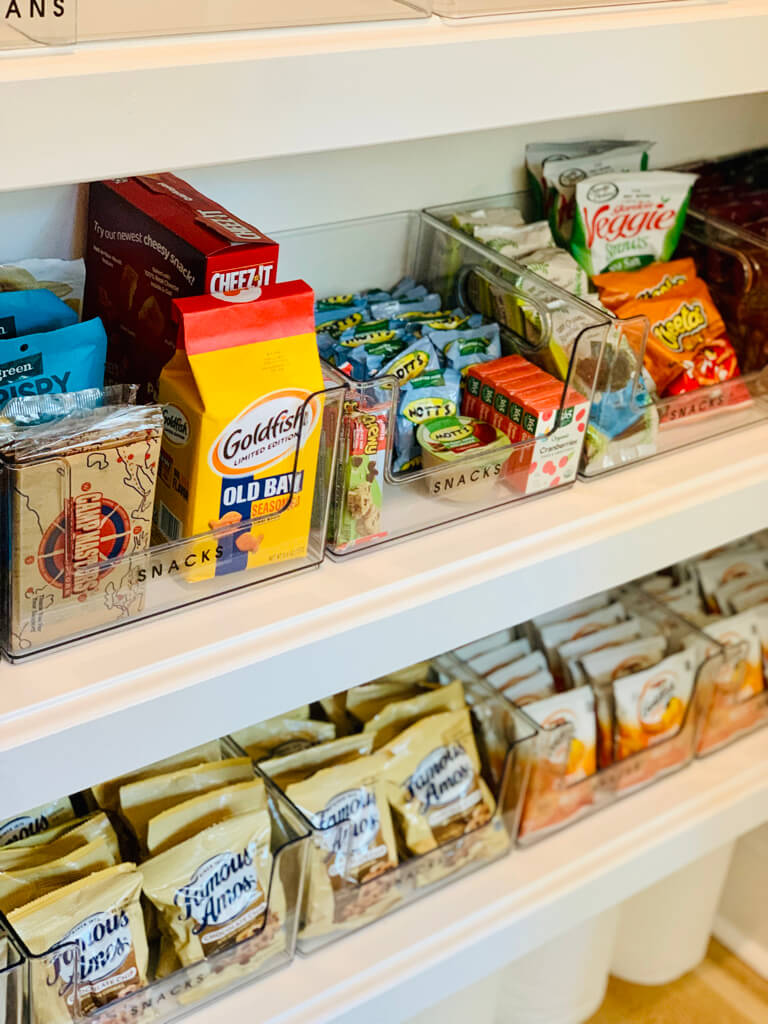
PANTRY
The pantry is one of the most used spaces in the home. Labels make it easier to put groceries away, find what you need, and maintain the system.
REFRIGERATOR
When everything has a place, food is easier to see and use. Labels help prevent items from getting pushed to the back and forgotten.

DRAWER ORGANIZERS
Labeling inside drawers keeps categories clear and prevents items from overlapping. It’s especially helpful for office or kitchen drawers.

KIDS CLOTHING
Labels make getting dressed easier and help kids maintain their own spaces. When it’s clear where things go, it removes the guesswork for everyone.

MEDICINE CABINET
This is a space where you need things quickly. Labels make it easy to find what you need without searching.

PAPER + OFFICE
Paper can easily become overwhelming. Simple, broad labels like To Do, To Read, and To File keep everything organized without overcomplicating it.

PLAYROOM
Clear labels help contain toys and make cleanup easier. When categories are defined, the space is easier for kids to use and maintain.

LABEL MAKERS
There are a few different ways to label, but the goal is always the same: clarity and consistency.
- Label Maker: Clean, uniform, and efficient
- Handwritten Labels: More personal, slightly more time-intensive
- Custom Labels (Cricut): More design-focused, but requires more setup
For most projects, we use a Brother P-touch CUBE Plus label maker because it’s quick, consistent, and easy to update when needed.
FINAL THOUGHTS
Labeling is often the step people want to skip—but it’s the step that makes everything last.
Without visible cues, a system can depend too much on one person remembering where everything belongs. Labels make that information easier to share.
If you’re going to take the time to organize a space, finish it with labels. Pair labels with a quick reset and a check of what you already own. For font, sizing, and placement ideas, see our guide to making labels.



+ show Comments
- Hide Comments
add a comment